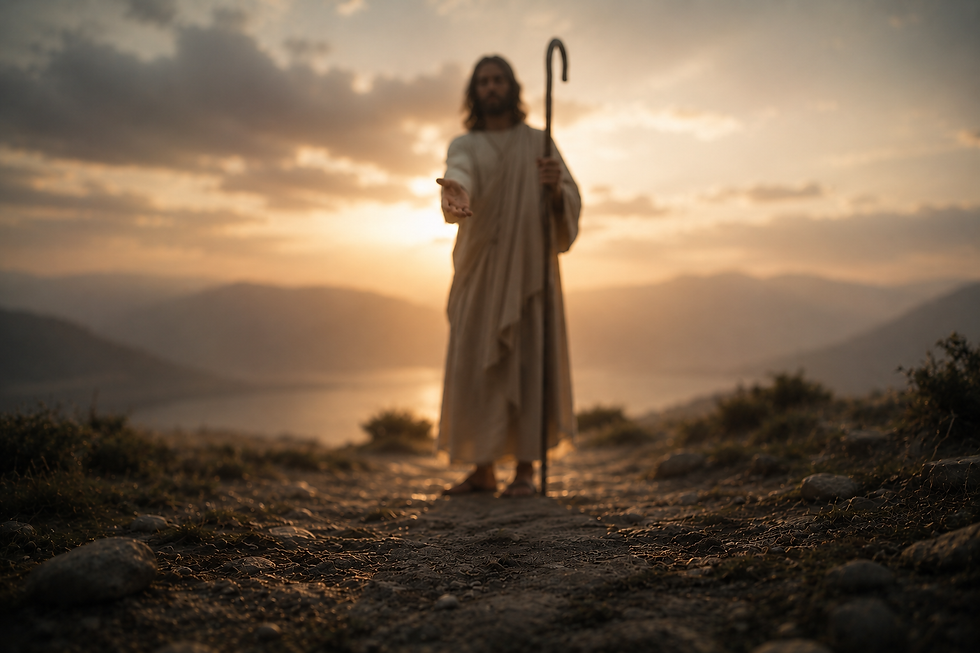
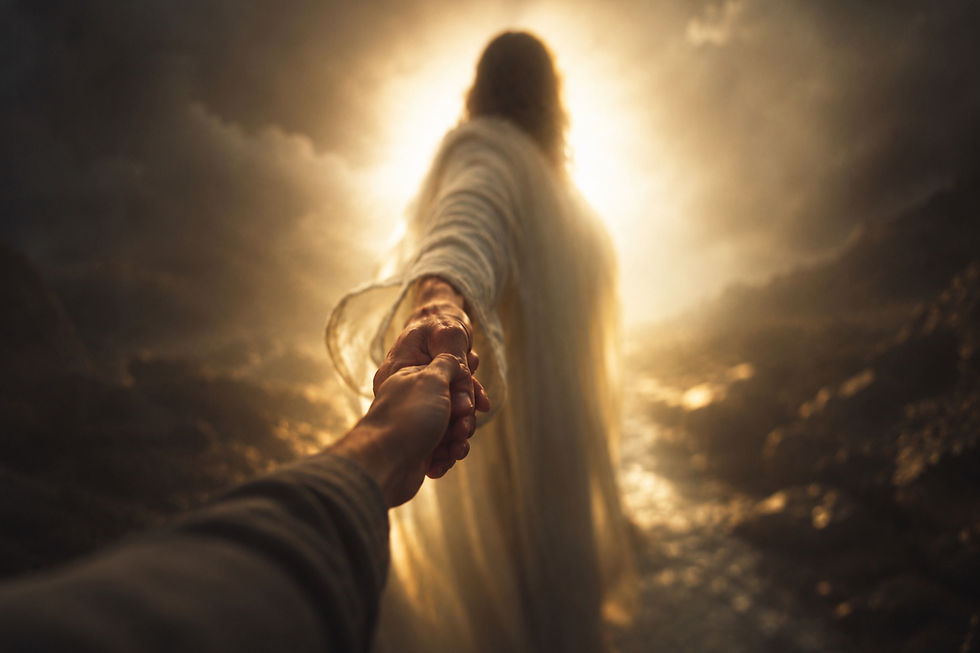
«وَبَعْدَ أَرْبَعِينَ يَوْمًا، فَتَحَ نُوحٌ نَافِذَةَ الْفُلْكِ الَّتِي كَانَ قَدْ صَنَعَهَا، وَأَرْسَلَ غُرَابًا، فَكَانَ يَذْهَبُ مُتَرَدِّدًا حَتَّى نَشِفَتِ الْمِيَاهُ عَنِ الْأَرْضِ. ثُمَّ أَرْسَلَ حَمَامَةً لِيَرَى هَلْ قَلَّتِ الْمِيَاهُ عَنْ وَجْهِ الْأَرْضِ. فَلَمْ تَجِدِ الْحَمَامَةُ مَقَرًّا لِرِجْلِهَا، فَرَجَعَتْ إِلَيْهِ إِلَى الْفُلْكِ، لِأَنَّ مِيَاهًا كَانَتْ عَلَى وَجْهِ كُلِّ الْأَرْضِ. فَمَدَّ يَدَهُ وَأَخَذَهَا وَأَدْخَلَهَا عِنْدَهُ إِلَى الْفُلْكِ. فَلَبِثَ أَيْضًا سَبْعَةَ أَيَّامٍ أُخَرَ، وَعَادَ فَأَرْسَلَ الْحَمَامَةَ مِنَ الْفُلْكِ. فَأَتَتْ إِلَيْهِ الْحَمَامَةُ عِنْدَ الْمَسَاءِ، وَإِذَا وَرَقَةُ زَيْتُونٍ خَضْرَاءُ فِي فَمِهَا! فَعَلِمَ نُوحٌ أَنَّ الْمِيَاهَ قَدْ قَلَّتْ عَنِ الْأَرْضِ. فَلَبِثَ أَيْضًا سَبْعَةَ أَيَّامٍ أُخَرَ، وَأَرْسَلَ الْحَمَامَةَ، فَلَمْ تَعُدْ تَرْجِعُ إِلَيْهِ أَيْضًا.»
— تَكْوِين ٨: ٦–١٢
حِينَ يَقُولُ اللهُ: «اِنْتَظِرْ»
كَمْ مِنْ مَرَّةٍ نَجِدُ أَنْفُسَنَا نَفْقِدُ صَبْرَنَا مَعَ اللهِ؟
أَنَا أُقِرُّ أَنَّنِي وَقَعْتُ فِي ذَلِكَ مَرَّاتٍ كَثِيرَةً. بَلْ إِنَّنِي أُجَاهِدُ مَعَ هَذَا الْأَمْرِ الآنَ، وَأَنَا أَكْتُبُ هَذِهِ الْكَلِمَاتِ.
نُصَلِّي طَالِبِينَ مِنَ اللهِ أَنْ يُرْشِدَنَا، وَلَكِنْ يَبْدُو أَنَّ الْإِجَابَةَ لَا تَأْتِي. نَطْلُبُ مِنْهُ أَنْ يَكْشِفَ لَنَا مَا يَنْتَظِرُنَا، وَلَكِنَّ الطَّرِيقَ يَبْقَى مَخْفِيًّا عَنْ أَعْيُنِنَا. نَعْلَمُ أَنَّهُ يَقُودُنَا، وَلَكِنْ حِينَ لَا نَسْتَطِيعُ أَنْ نَرَى إِلَى أَيْنَ يَأْخُذُنَا… أَوْ كَمْ سَيَسْتَغْرِقُ الْوُصُولُ إِلَى هُنَاكَ، يَبْدَأُ الشَّكُّ يَتَجَذَّرُ فِي دَاخِلِنَا. نَبْدَأُ فِي التَّسَاؤُلِ عَنْ طَرِيقِهِ، وَنَضْطَرِبُ وَسْطَ عَدَمِ الْيَقِينِ، وَنَفْقِدُ صَبْرَنَا فِي انْتِظَارِ إِجَابَةٍ لَمْ يَحِنْ وَقْتُهَا بَعْدُ.
وَهُنَا بِالذَّاتِ يُمْتَحَنُ التَّسْلِيمُ الْحَقِيقِيُّ.
مِنَ السَّهْلِ أَنْ نَقُولَ: «يَا رَبُّ، أَنَا أَثِقُ بِكَ»، حِينَ نَسْتَطِيعُ أَنْ نَرَى إِلَى أَيْنَ يَقُودُنَا… وَلَكِنْ مَاذَا يَحْدُثُ حِينَ لَا نَسْتَطِيعُ أَنْ نَرَى؟
هَلْ نَظَلُّ نَثِقُ بِمَنْ يَقُودُنَا، حِينَ تَبْقَى الْوِجْهَةُ سِرًّا لَا نَعْرِفُهُ؟
هَلْ نَثِقُ بِتَوْقِيتِهِ، حِينَ يَصْرُخُ كُلُّ مَا فِي دَاخِلِنَا رَغْبَةً فِي التَّحَرُّكِ؟
هَلْ نُسَلِّمُ حَيَاتَنَا حَقًّا بَيْنَ يَدَيْهِ؟ أَمْ نُسَلِّمُهُ فَقَطْ تِلْكَ الْأَجْزَاءَ الَّتِي نَعْرِفُهَا؟
أَمَّا نُوحٌ، فَلِأَشْهُرٍ طَوِيلَةٍ، لَمْ يَكُنْ يَعْلَمُ شَيْئًا عَمَّا يَحْدُثُ فِي الْعَالَمِ خَارِجَ الْفُلْكِ، سِوَى أَنَّ الْأَرْضَ كَانَتْ قَدْ غَمَرَتْهَا الْمِيَاهُ بِالْكَامِلِ. الْعَالَمُ الَّذِي عَرَفَهُ يَوْمًا، وَكُلُّ كَائِنٍ حَيٍّ وَكُلُّ حَضَارَةٍ كَانَتْ فِي الْخَارِجِ، قَدْ مُحِيَتْ بِالْكَامِلِ.
كَانَتِ الْعَاصِفَةُ قَدْ مَضَتْ، وَتَوَقَّفَ الْمَطَرُ، وَبَدَأَتِ الْمِيَاهُ أَخِيرًا فِي الِانْحِسَارِ، وَمَعَ ذَلِكَ بَقِيَ نُوحٌ دَاخِلَ الْفُلْكِ. وَفِي مَكَانٍ مَا، خَلْفَ تِلْكَ الْجُدْرَانِ الْخَشَبِيَّةِ، كَانَ الْعَالَمُ يَتَغَيَّرُ…
فَبَدَأَ نُوحٌ يَبْحَثُ عَنْ عَلَامَاتٍ.
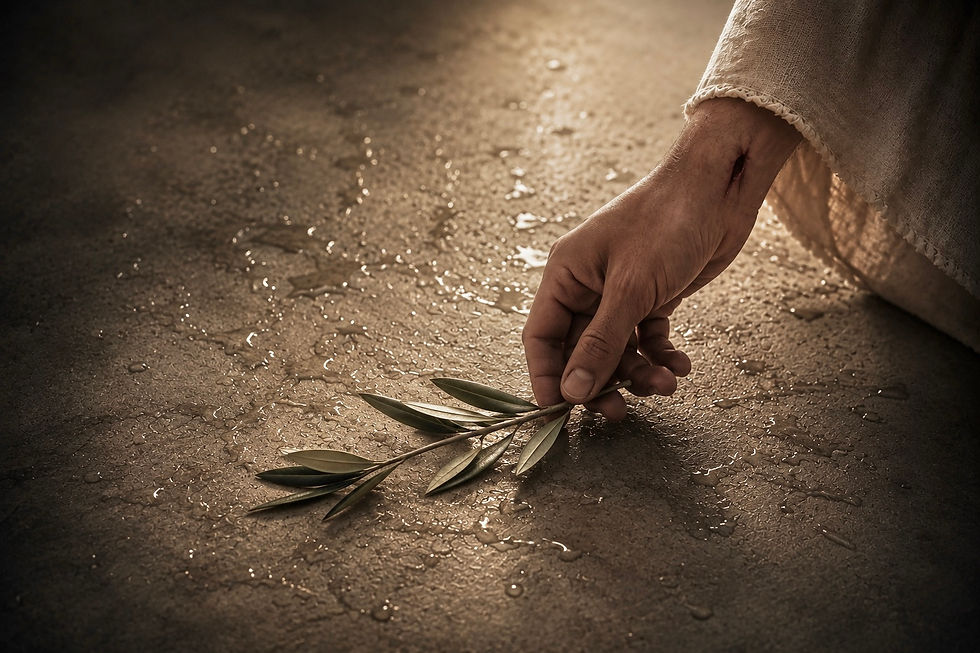
أَوَّلًا، أَرْسَلَ غُرَابًا، ثُمَّ حَمَامَةً. فَرَجَعَتِ الْحَمَامَةُ، لِأَنَّهَا لَمْ تَجِدْ مَكَانًا تَسْتَرِيحُ فِيهِ. فَانْتَظَرَ نُوحٌ سَبْعَةَ أَيَّامٍ أُخْرَى، ثُمَّ أَرْسَلَهَا مَرَّةً أُخْرَى. وَهَذِهِ الْمَرَّةَ، عَادَتْ وَفِي فَمِهَا وَرَقَةُ زَيْتُونٍ خَضْرَاءُ قَدْ قُطِفَتْ حَدِيثًا. رَجَاءٌ… هُنَاكَ يَابِسَةٌ.
كَانَ الْوَعْدُ أَخِيرًا يَبْدَأُ فِي التَّحَقُّقِ! وَأَنَا عَلَى يَقِينٍ أَنَّ نُوحًا، عِنْدَمَا رَأَى تِلْكَ الْوَرَقَةَ، لَا بُدَّ أَنَّهُ شَعَرَ أَنَّ الِانْتِظَارَ أَوْشَكَ أَخِيرًا عَلَى الِانْتِهَاءِ! وَمَعَ ذَلِكَ، انْتَظَرَ سَبْعَةَ أَيَّامٍ أُخْرَى، ثُمَّ أَرْسَلَ الْحَمَامَةَ مَرَّةً أُخْرَى. وَهَذِهِ الْمَرَّةَ، لَمْ تَعُدْ.
وَمَعَ ذَلِكَ، انْتَظَرَ نُوحٌ.
وَهَذَا مِنْ أَهْدَأِ تَعْبِيرَاتِ الْإِيمَانِ، وَمَعَ ذَلِكَ مِنْ أَجْمَلِهَا.
كَانَتْ لَدَيْهِ الْعَلَامَاتُ، وَكَانَ لَدَيْهِ الدَّلِيلُ عَلَى أَنَّ الْوَقْتَ قَدْ حَانَ أَخِيرًا. كَانَ يَسْتَطِيعُ أَنْ يَرَى أَنَّ الْمِيَاهَ قَدِ انْحَسَرَتْ، وَفِي النِّهَايَةِ، اسْتَطَاعَ حَتَّى أَنْ يَرَى أَنَّ وَجْهَ الْأَرْضِ قَدْ جَفَّ.
وَمَعَ ذَلِكَ، لَمْ يُقَرِّرْ نُوحٌ مِنْ تِلْقَاءِ نَفْسِهِ أَنَّ الْوَقْتَ قَدْ حَانَ لِلْخُرُوجِ.
بَلِ انْتَظَرَ اللهَ.
وَأَسْأَلُ نَفْسِي: هَلْ كُنْتُ سَأَنْتَظِرُ مِثْلَ نُوحٍ؟ أَمْ كُنْتُ سَأُحَاوِلُ أَنْ أَجِدَ لِنَفْسِي طَرِيقًا لِلْخُرُوجِ؟
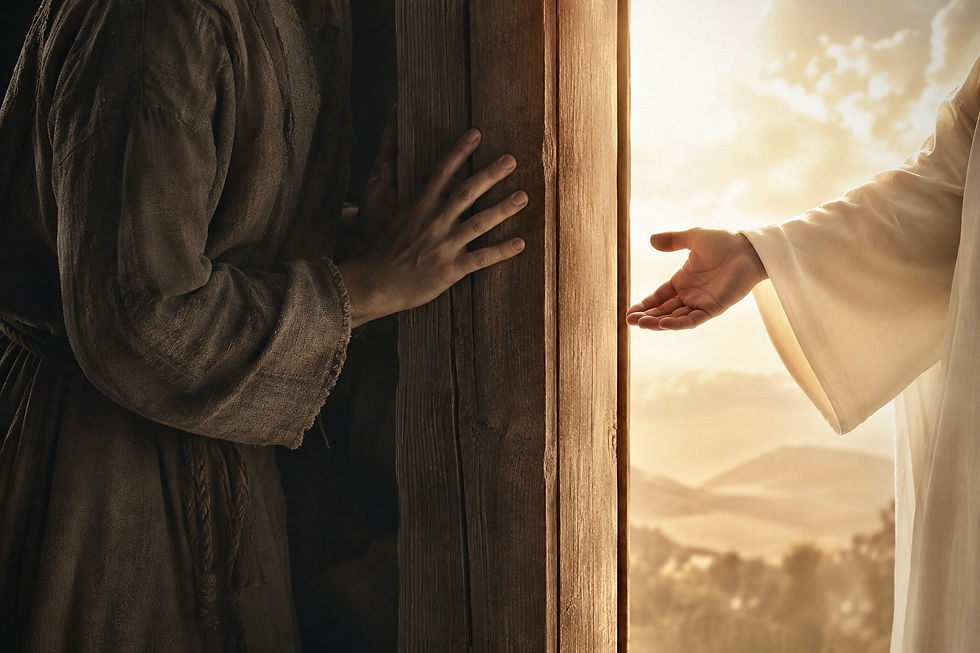
«وَفِي الْيَوْمِ السَّابِعِ وَالْعِشْرِينَ مِنَ الشَّهْرِ الثَّانِي، جَفَّتِ الْأَرْضُ تَمَامًا. ثُمَّ كَلَّمَ اللهُ نُوحًا قَائِلًا: «اُخْرُجْ مِنَ الْفُلْكِ…»» — تَكْوِين ٨: ١٤–١٥
وَلَمْ يَخْطُ نُوحٌ خُطْوَتَهُ إِلَى الْعَالَمِ الَّذِي أَعَدَّهُ اللهُ لَهُ، إِلَّا عِنْدَمَا تَكَلَّمَ اللهُ أَخِيرًا وَقَالَ لَهُ: «اُخْرُجْ مِنَ الْفُلْكِ.»
وَهَذَا هُوَ التَّذْكِيرُ الَّذِي كُنْتُ أَحْتَاجُ إِلَيْهِ فِي حَيَاتِي. فَأَنَا الآنَ أَعِيشُ مَوْسِمَ الِانْتِظَارِ، وَصَبْرِي يُمْتَحَنُ. تِلْكَ الْوَرَقَةُ الصَّغِيرَةُ مِنَ الزَّيْتُونِ… رُبَّمَا أَكُونُ أَحْمِلُهَا الآنَ بَيْنَ يَدَيَّ، وَلَكِنَّ وَقْتِي لَمْ يَحِنْ بَعْدُ. إِنَّهَا فَقَطْ عَلَامَتِي الصَّغِيرَةُ لِلرَّجَاءِ: تَمَسَّكِي، وَانْتَظِرِي قَلِيلًا بَعْدُ. فَفِي النِّهَايَةِ، سَيَفْتَحُ اللهُ ذَلِكَ الْبَابَ لِي.
فَأَحْيَانًا، يَسْمَحُ لَنَا اللهُ أَنْ نَرَى وَرَقَةَ الزَّيْتُونِ قَبْلَ أَنْ يَفْتَحَ لَنَا الْبَابَ.
يَمْنَحُنَا لَمَحَاتٍ صَغِيرَةً، وَتَطْمِيناتٍ هَادِئَةً، وَإِشَارَاتٍ خَفِيَّةً تُخْبِرُنَا أَنَّ شَيْئًا مَا يَتَغَيَّرُ، وَأَنَّهُ يَعْمَلُ، وَأَنَّ الْمَوْسِمَ الَّذِي نَمُرُّ بِهِ لَنْ يَدُومَ إِلَى الْأَبَدِ. نَعَمْ، قَدْ يَطْلُبُ مِنَّا مَعَ ذَلِكَ أَنْ نَنْتَظِرَ، وَأَنْ نَسْتَمِرَّ فِي الِانْتِظَارِ قَلِيلًا بَعْدُ. قَدْ نَشْعُرُ أَنَّنَا مَنْسِيُّونَ، وَلَكِنَّنَا لَسْنَا كَذَلِكَ. وَمُجَرَّدُ أَنَّنَا بَدَأْنَا نَرَى التَّغْيِيرَ يَحْدُثُ أَمَامَنَا، لَا يَعْنِي بِالضَّرُورَةِ أَنَّ الْوَقْتَ قَدْ حَانَ لِنَخْطُوَ إِلَيْهِ.
نَعَمْ، مَرَرْتُ بِلَحَظَاتٍ شَعَرْتُ فِيهَا أَنَّنِي مُسْتَعِدَّةٌ، وَمَعَ ذَلِكَ يَقُولُ اللهُ لِي:
«اِنْتَظِرِي.» وَكَانَتْ هُنَاكَ لَحَظَاتٌ بَدَا فِيهَا الْبَابُ قَرِيبًا جِدًّا، حَتَّى إِنَّنِي شَعَرْتُ أَنَّهُ يُمْكِنُنِي فَتْحُهُ، وَمَعَ ذَلِكَ يَطْلُبُ مِنِّي اللهُ أَنْ أَبْقَى حَيْثُ أَنَا قَلِيلًا بَعْدُ.
اِنْتَظِرِي. اِنْتَظِرِي قَلِيلًا بَعْدُ.
فَهَذَا كُلُّهُ جُزْءٌ مِنَ الْإِيمَانِ. فَالْإِيمَانُ لَيْسَ فَقَطْ أَنْ نَثِقَ بِاللهِ لِيَقُودَنَا إِلَى مَكَانٍ جَدِيدٍ، بَلْ أَنْ نَثِقَ بِهِ بِالْقَدْرِ الَّذِي يَجْعَلُنَا نَبْقَى حَيْثُ وَضَعَنَا، حَتَّى يَقُولَ لَنَا إِنَّهُ قَدْ حَانَ وَقْتُ التَّحَرُّكِ. لِأَنَّ اللهَ وَحْدَهُ يَرَى مَا يَكْمُنُ خَلْفَ الْبَابِ. وَهُوَ وَحْدَهُ يَعْلَمُ مَتَى تَكُونُ الْأَرْضُ تَحْتَ أَقْدَامِنَا مُهَيَّأَةً. هُوَ يَعْلَمُ مَا الَّذِي يَجِبُ أَنْ يَتَغَيَّرَ مِنْ حَوْلِنَا، وَمَا الَّذِي يَجِبُ أَنْ يَتَغَيَّرَ فِي دَاخِلِنَا، قَبْلَ أَنْ نَخْطُوَ الْخُطْوَةَ التَّالِيَةَ.
نَعَمْ، فَالتَّغْيِيرُ الَّذِي فِي دَاخِلِنَا يَحْتَاجُ أَنْ يَحْدُثَ أَوَّلًا، قَبْلَ أَنْ يَحْدُثَ التَّغْيِيرُ مِنْ حَوْلِنَا؛ لِيُعِدَّنَا اللهُ لِمَا يَنْتَظِرُنَا.
فَحِينَ يَطْلُبُ مِنَّا أَنْ نَبْقَى، لَا نَحْتَاجُ أَنْ نَسْبِقَهُ وَنَنْدَفِعَ إِلَى الْأَمَامِ. وَحِينَ يَقُولُ لَنَا أَخِيرًا: «اُخْرُجُوا»، نَسْتَطِيعُ أَنْ نَخْطُوَ إِلَى الْأَمَامِ، وَنَحْنُ نَعْلَمُ أَنَّ اللهَ نَفْسَهُ، الَّذِي أَبْقَانَا فِي الِانْتِظَارِ، قَدْ سَبَقَنَا وَأَعَدَّ لَنَا الطَّرِيقَ.
ثِقُوا وَانْتَظِرُوا. وَاعْلَمُوا أَنَّهُ حِينَ يَحِينُ الْوَقْتُ لِنَخْطُوَ إِلَى مَا هُوَ آتٍ، سَيَفْتَحُ اللهُ بِنَفْسِهِ الْبَابَ.